How an English taught MBBS works at an MOE listed university: who is allowed to teach it, what you study each year, how much Chinese you need, and what it costs at Xinjiang Medical University.
An English taught MBBS is the undergraduate clinical medicine degree for international students in China, delivered in English from the first lecture to the final examination. It lasts six years, including a one-year clinical internship, and leads to the MBBS degree.
It is sometimes called English medium MBBS, MBBS in English or the international MBBS. All of these names describe one programme, and that programme can only be offered by universities on the Ministry of Education (MOE) list. For students planning MBBS in China 2027, there are 43 such universities on the list in force.
This guide explains how the English taught MBBS works in practice, using the programme at Xinjiang Medical University (XJMU) as the example.
| Question | Answer |
|---|---|
| Language of teaching | English |
| Duration | 6 years, including a 1-year internship |
| Approved by | China's Ministry of Education |
| Seats for international students | 60 (2026–2027 list) |
| Chinese language | Introductory Chinese in years 1–2; HSK-4 by graduation |
| Clinical training | 8 directly affiliated hospitals |
| Intakes | Spring (February/March) and fall (September) |
Only MOE listed MBBS universities. Each year the Ministry of Education publishes the universities authorised to enrol international students in the English taught programme, with a seat quota for each. The notice of 1 June 2026 approves 43 universities and 2,790 seats for the 2026–2027 academic year.
The notice is strict about language. Universities outside the list may only admit international students to Chinese-medium clinical medicine, and they may not issue an English-language certificate bearing the term MBBS. Teaching partly in English and partly in Chinese, described as bilingual teaching, is prohibited as a way around the list.
So when you look for a registered MBBS university in China that teaches in English, you are looking for a university on this list. Xinjiang Medical University is on it, with 60 seats.
Source: Ministry of Education of the People's Republic of China, notice 教外司来〔2026〕94号, issued 1 June 2026.
See all 43 MOE listed MBBS universitiesThree kinds of medical programme are advertised to international students. Only one of them is the English taught MBBS.
The certificate you graduate with is what your home licensing body will examine. An English taught MBBS from a listed university is the programme the MOE has authorised for international students. A degree from an unlisted or bilingual programme may not be recognised at home, so confirm the programme type in writing before you accept any offer.
| English taught MBBS | Bilingual programme | Chinese-medium clinical medicine | |
|---|---|---|---|
| Who may offer it | MOE listed universities only | Not permitted as a workaround | Any qualified medical university |
| Language of lectures and exams | English | Mixed | Chinese |
| English-language MBBS certificate | Yes | No | No |
| Chinese needed before you start | Not required for teaching | Usually | High level required |
| Standard applied | MOE standard for international MBBS | Not authorised | Same as domestic students |
The six years move from science to patients. This is the published structure of the MBBS at Xinjiang Medical University.
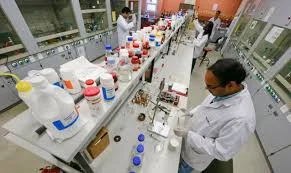
Anatomy, physiology, biochemistry, histology, medical chemistry and the foundational sciences, taught in English through lectures and laboratory sessions. Introductory Chinese language runs alongside, so that you can manage daily life from the first months.
Pathology, pharmacology, microbiology, immunology and forensic medicine. This is the year that connects the science of the body to the diagnosis and treatment of disease.
Internal medicine, surgery, paediatrics, obstetrics and gynaecology, and specialty rotations, with bedside teaching in the affiliated hospitals.
A full year of supervised clinical rotations across the major departments, consolidating diagnostic and practical skills before graduation.
See the full MBBS programme at XJMUYou do not need Chinese to be admitted, and you do not need it to follow lectures or sit examinations, because the programme is taught entirely in English.
You will still learn Chinese during the degree, for two good reasons. The first is daily life: shopping, transport and making friends are all easier with basic Chinese. The second is clinical work. Patients in the teaching hospitals speak Chinese, so to take a history and examine a patient you need to communicate with them directly.
At XJMU, introductory Chinese is built into years 1 and 2, and HSK-4 Chinese proficiency is required by graduation to support clinical rotations. HSK is the standard Chinese proficiency test, and level 4 means you can discuss a fairly wide range of everyday topics. Because the classes are part of the timetable, students reach that level step by step over several years.
No. In the English taught MBBS, the medical subjects are taught and examined in English, and Chinese is taught as a language course. In a bilingual programme, the medical subjects themselves are taught partly in Chinese, which the MOE does not permit as a substitute for the English taught MBBS.
Because every lecture, textbook and examination is in English, the university needs to know that you can study in it. You can show this in one of two ways.
Some exemptions may apply for students from English-speaking countries. If your school taught in English, ask it for a letter confirming the medium of instruction; it is a simple document that saves the cost of a test.
Good enough to read a science textbook and follow a lecture without translating in your head. Medical English has a large vocabulary of its own, and everyone learns it during the first two years. If you studied Physics, Chemistry and Biology in English at school, you already have the base you need.
These are the published requirements for the MBBS at Xinjiang Medical University.
You will need your passport, a white-background photograph, the XJMU application form, the Chinese physical examination form and blood report, a police non-criminal record certificate, your senior high-school transcripts and certificates, and a short self-introduction video.
Some countries set extra conditions for students who study medicine abroad. Check your own medical council's current rules before you apply.
How to apply, step by stepThe value of a medical degree depends on how much real medicine you see. Xinjiang Medical University has 8 directly affiliated hospitals, 18 teaching hospitals and 95 internship hospitals, so clinical teaching does not depend on a single site.
The First Affiliated Hospital is the largest and most comprehensive of them. It is a Class A tertiary hospital, the highest grade in China's hospital system, and serves as the main centre for complex cases, critical care and emergencies in the region.
From year 4, teaching moves to the bedside. In year 6 you rotate through the major departments under supervision for a full year. This is where the Chinese you have learned is put to use, alongside the medicine.

The English taught MBBS at XJMU is one of the more affordable MOE listed options. Fees for 2027 have not been announced; these are the published figures for the September 2026 intake.
The first year is charged as a single all-inclusive package of ¥49,950, about USD 7,000. It covers application processing, tuition, hostel, the student visa, health insurance and medical, registration, admission and management charges, the JW202 visa letter and airport pickup.
Budget USD 150–250 a month for food, USD 10–20 for local transport and USD 10–15 for a mobile SIM.
Eligible students can apply for the Chinese Government Scholarship and other awards listed by the university. Apply by the early deadline to be considered.
| Item | Amount (RMB ¥) |
|---|---|
| Tuition fee | ¥30,000 |
| Accommodation | ¥4,500 |
| Insurance | ¥300 |
| Residence permit | ¥800 |
| Physical examination | ¥350 |
| Total per year: ¥35,950 (about USD 5,050) |
Figures are indicative for the 2026 intake; USD conversions are approximate.
Full fee breakdownRecognition has three layers. In China, the programme must be on the MOE list. Internationally, the school should appear in the WHO World Directory of Medical Schools. At home, your medical council decides whether you can sit its licensing examination.
Xinjiang Medical University is MOE listed and is in the World Directory of Medical Schools. Its graduates are eligible to appear for the licensing examinations of their home countries, and for international examinations such as the USMLE. The university's Clinical Medicine discipline is ESI-ranked, placing in the top 2.07‰ worldwide.
Councils update their rules, so read the current requirements for your own country before you apply.
The programme suits students who want to become doctors, studied science in school, and are ready to live abroad for six years.

The first semester. A new country, a new language outside the classroom and a heavy science timetable arrive together. Students who settle fastest are the ones who attend the Chinese classes from the first week and form study groups early.
Students who do well in the English taught MBBS tend to share a few habits.
Anatomy and physiology introduce thousands of new terms. Keep a vocabulary notebook from week one and revise it daily.
Your clinical years depend on it. Ten minutes of practice a day in years 1 and 2 makes the hospital years far easier.
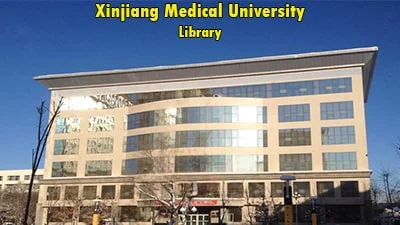
Practical sessions make the theory stick. The university library gives you a quiet place to work between classes.
Licensing examinations test the basic sciences as well as clinical medicine. Students who revise for them alongside their courses avoid a long gap after graduation.
The international student office supports students with academic, visa and settling-in questions. Use it.
English taught does not only mean that the lecturer speaks English. It covers every part of the course that is assessed.
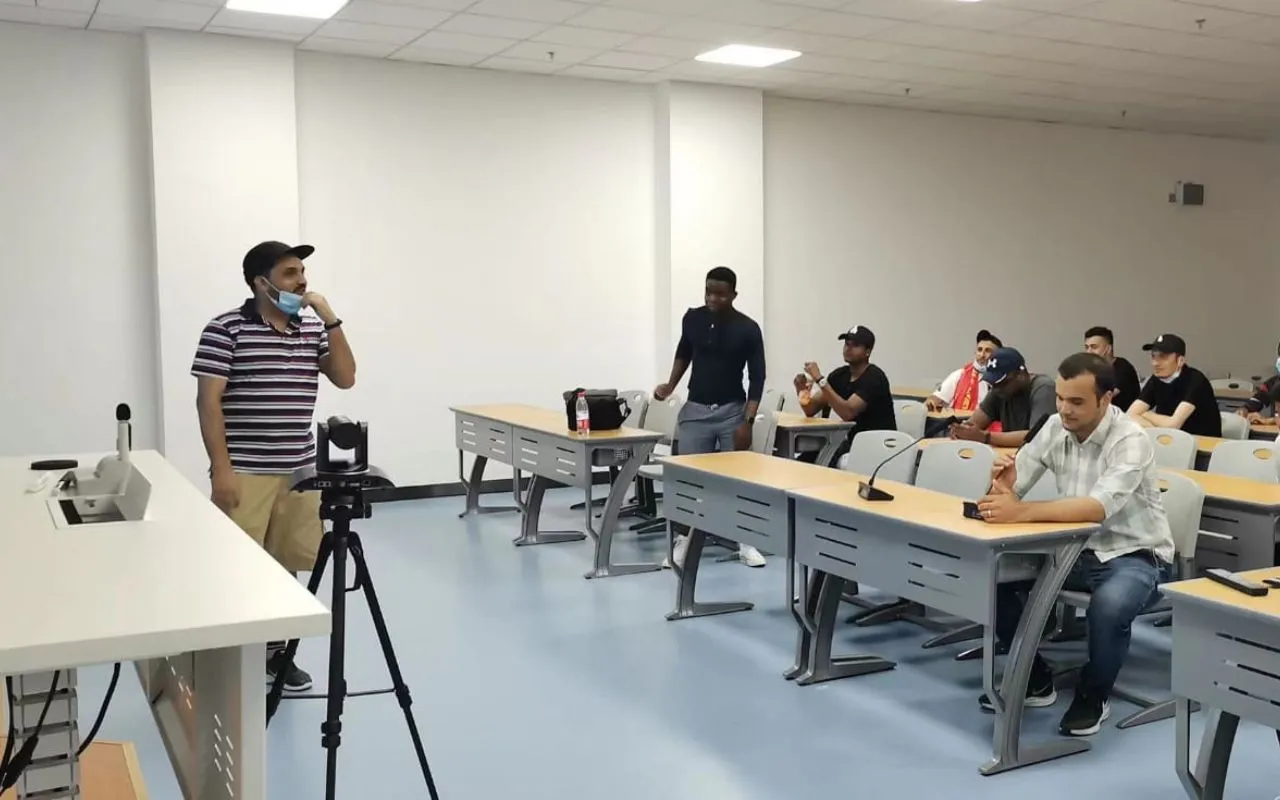
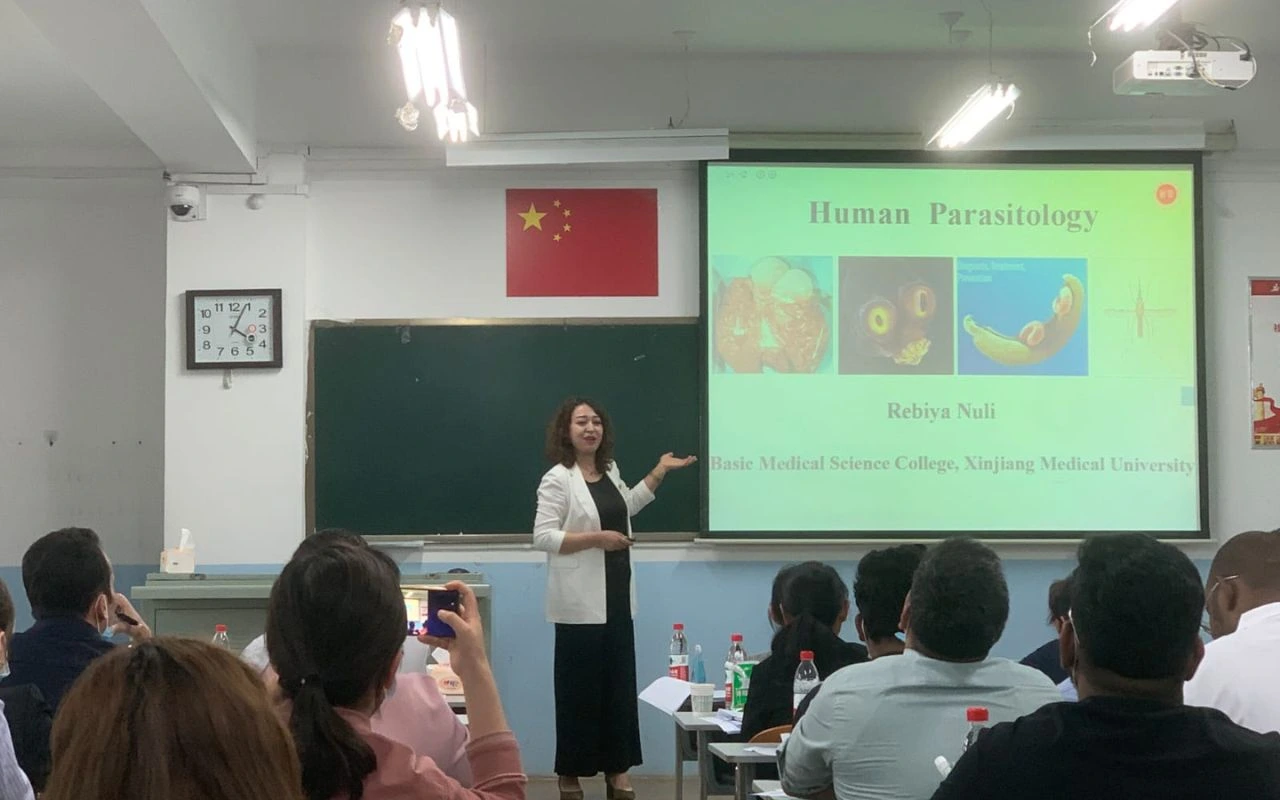
Lectures for the international class are given in English, with slides and teaching materials in English.
The basic sciences are learned by doing as well as by listening. Laboratory sessions in subjects such as anatomy, histology and biochemistry put the week's lectures into practice.
Because the medical subjects are taught in English, they are examined in English. Chinese language is assessed separately, as a language course, and through the HSK test.
In the clinical years, teaching happens on the wards of the affiliated hospitals. Teaching for international students remains in English, while conversations with patients take place in Chinese. This is the point at which your Chinese classes start to pay off.
Xinjiang Medical University is in Urumqi, the capital of Xinjiang in northwest China. For students from Pakistan it is among the closest places in China to home: a direct flight from Islamabad takes about 2 hours 50 minutes.
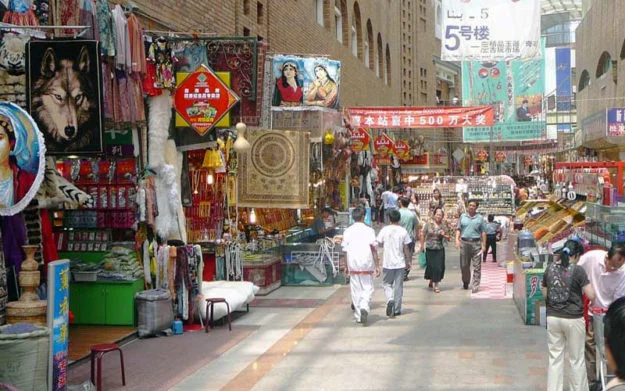
The city is culturally familiar to many international students. Halal food is widely available, and the bazaars, parks and nearby mountains give students plenty to do outside the timetable. Accommodation is in university hostels and is part of the published fee structure.
The university has a dedicated international student office that helps with the visa, accommodation and settling in, and the first-year package includes airport pickup.
Parents pay for the degree and worry about it more than students do. These are the questions they ask most often.
Yes, if the university is on the Ministry of Education list. Xinjiang Medical University is number 8 on the list for 2026–2027. You can check the list yourself on our MOE listed universities page.
Graduates are eligible to sit the licensing examination of their home country. Passing that examination, and meeting the council's other conditions, is what leads to registration. Read your council's current rules before applying.
Using the 2026 figures, the first year is ¥49,950 and each of the following five years is about ¥35,950, plus living costs of roughly USD 150–250 a month for food. Fees for 2027 have not been announced.
The admissions team provides pre-arrival guidance, students are met at the airport, and the international student office supports them through registration, the health check and the residence permit.
Admissions counsellors can be reached by phone, email and WhatsApp, and the online portal shows the status of an application in real time.
Most problems students run into could have been avoided before they applied.
Applications for MBBS in China use a small set of terms and abbreviations. Knowing them makes every form easier to fill in.
| Term | What it means |
|---|---|
| MOE | China's Ministry of Education, which approves the universities that may teach MBBS in English |
| MOE listed | On the yearly MOE list of universities authorised for the English taught MBBS |
| WDOMS | The World Directory of Medical Schools, where licensing bodies check that a medical school is recognised |
| HSK | The standard Chinese proficiency test; level 4 is required by graduation at XJMU |
| JW202 | The visa application form for study in China, issued with your admission letter |
| X1 visa | The student visa for study longer than six months, converted to a residence permit after arrival |
| Residence permit | The permit that lets you live in China during your studies, renewed each year |
| Internship year | The sixth year of the MBBS, spent in supervised hospital rotations |
The English taught MBBS has two intakes. For spring 2027, applications opened on 1 September, with an early deadline of 15 December, a regular deadline of 15 January and registration around 20 February. For fall 2027, applications open on 1 March, with an early deadline of 30 June, a regular deadline of 15 August and registration around 10 September. Dates may vary, so confirm them with the admissions team.
| Step | Fall intake (September) | Spring intake (February/March) |
|---|---|---|
| Applications open | 1 March | 1 September |
| Early deadline (recommended for scholarships) | 30 June | 15 December |
| Regular deadline | 15 August | 15 January |
| Registration and orientation | 10 September | 20 February |
The complete guide to studying MBBS in China in 2027: who can apply, which universities are MOE listed, what an English taught MBBS costs, and how to prepare an application to Xinjiang Medical University (XJMU).
The 43 universities that China's Ministry of Education has approved to teach MBBS in English to international students, with seat quotas, the rules behind the list and how to check any university yourself.
Talk to our admissions counsellors for free guidance, or start your application online.