What daily life is like for an MBBS student in Urumqi: the city and its climate, the hostel, halal food, monthly costs, transport, phones and money, clothing for each season, and a first-month plan for new arrivals and their parents.
Most families choose a medical university by its approval, its fees and its teaching. Those matter most, but a student spends six years in the city that the university is in, so daily life matters too. Before you apply, it helps to picture an ordinary week: where you sleep, what you eat, how you get to class, what you pay for a phone, and what you wear in January.
This guide describes life in Urumqi for international students at Xinjiang Medical University (XJMU). XJMU is on the Ministry of Education (MOE) list of universities approved to teach the English taught MBBS to international students for 2026–2027, where it is number 8 with 60 seats. The figures here are the published ones. Where we do not have a published figure, we say so and tell you what to ask, instead of guessing.
Nothing in this guide replaces talking to students who live in Urumqi now. Admissions can put you in touch with them, and an hour of their time is worth more than any brochure.

Urumqi is the capital of the Xinjiang region in the far west of China. It is a large modern city with shopping centres, hospitals, universities, bus routes and a metro line, set against the Tianshan mountains. Many students are surprised by how much snow-capped scenery is visible from the city itself.
The city is a long way from the Chinese coast. That is useful to know in two ways. First, for students from Pakistan and Central Asia it is relatively close, because it is the part of China that sits nearest to them. Second, the climate is continental: dry air, hot summers and cold winters, with a larger gap between the seasons than most students are used to at home.
Xinjiang Medical University is in Urumqi, in the Xinjiang region. Xinxiang Medical University is a different university in Henan province, and it is not on the 43-university MOE list for 2026–2027. The two names look alike, so check the city when you search.
From Islamabad, Urumqi is about two hours and fifty minutes by direct flight, which is shorter than many students expect. Students from other countries should check routes with their travel agent, because flight schedules change from season to season.
Urumqi is far west of Beijing, and many people in Xinjiang run their daily life on a local clock that is two hours behind Beijing time, while official schedules such as train timetables and some offices use Beijing time. New students are sometimes confused for a week or two. A simple habit solves it: when someone gives you a time, ask whether it is Beijing time or local time.
The practical effect is long light in summer. The sun sets late, so evenings are long and many students spend them outdoors. In winter the opposite happens, and the days are short. Plan your study routine with that in mind. Many students find that a fixed study slot after dinner works in every season.
Your classroom timetable is set by the university each semester, and your teachers will tell you in your first week how lectures, laboratories and hospital rounds are arranged. We do not publish a fixed daily timetable because it changes by year and by semester.
Hostel accommodation is part of the package. In the first-year package of ¥49,950 it is included, and from the second year accommodation is listed at ¥4,500 a year. That makes housing one of the most predictable parts of your budget, and you do not need to search for a flat in a city where you do not yet speak the language.
Living in the university hostel also puts you among other students from the first week. That matters more than it sounds. Medical study is demanding, and a group of classmates who can explain a lecture, share notes and notice when you are unwell is part of what gets students through the early years.
We do not print room sizes, the number of students per room or the facilities in each building, because these vary by building and by year and we do not want to promise something that changes. Ask admissions in writing for the current details before you pay the seat reservation deposit, and ask a current student what the rooms are really like.
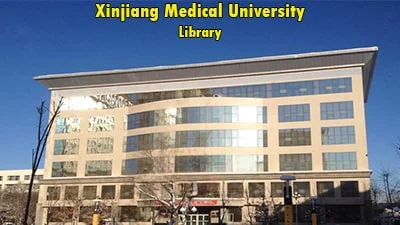
Ask how many students share a room, whether there is heating in winter, how laundry works, what the rules are for visitors and curfews, and how you pay for electricity or internet if they are not included. Write the answers down. If the answer is vague, ask again.
| What the first-year package covers | Status |
|---|---|
| Application processing, registration and admission charges | Included |
| Tuition fee | Included |
| Hostel accommodation | Included |
| Student visa, health insurance and medical | Included |
| JW202 visa letter and airport pickup | Included |
| Total: ¥49,950 (about USD 7,000) |
For Muslim families, food is often the first question, and Urumqi is a good city to ask it in. Xinjiang is home to large Muslim communities, and halal food is part of everyday life in the city. Halal restaurants, bakeries and bazaars are widely available, and many students from Pakistan and other Muslim countries find that eating halal is easier in Urumqi than in many other Chinese cities.
Typical dishes include hand-pulled noodles, grilled lamb, rice dishes with meat and carrots, fresh flatbread from the oven, and a wide range of fruit. Many students also cook in groups or order from local restaurants, and they share tips on where to find the foods they miss from home.
Even so, do not assume that every place is halal. Look for the halal sign or ask in simple Chinese or through a translation app before you eat, as you would anywhere else. Students who are strict about a particular school of practice should ask seniors where they buy meat and what they cook with.
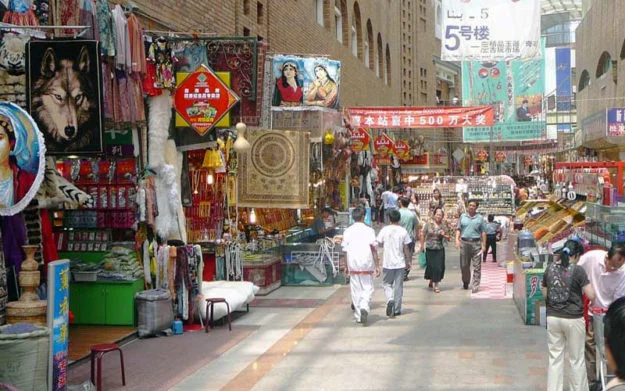
Food is the largest regular cost for most students, at about USD 150 to 250 a month according to our published estimate. Eating in cafeterias and local restaurants costs far less than eating in shopping-centre restaurants, and cooking in a group costs less again.
Seasonal fruit is a feature of the region, and many students buy it at the bazaar. The International Grand Bazaar in the city is a popular place to walk, shop and eat, and is a good first outing with seniors in your first month.
These are our published estimates for everyday costs outside the university fees. They are a guide, not a promise, and your own spending will depend on how you eat, how often you travel and what you buy.
In the first year the package covers tuition, hostel, the student visa, health insurance, medical checks, the JW202 visa letter and airport pickup. From the second year the yearly total is about ¥35,950, which includes tuition, accommodation, insurance, the residence permit and the physical examination.
Add the three published items together: food, local transport and a mobile SIM. At the ranges above, that comes to roughly USD 170 to 285 a month. Add something for books, clothes, small trips and the occasional meal out. We deliberately do not give a single total, because students who cook and walk spend far less than students who eat out and take taxis.
| Item | Typical monthly cost |
|---|---|
| Food | USD 150–250 |
| Local transport | USD 10–20 |
| Mobile SIM | USD 10–15 |
The living costs above sit on top of the university fees. From the second year the published yearly fees are as follows. For the September 2026 intake the first-year package is ¥49,950, about USD 7,000.
| Item | Amount (RMB ¥) |
|---|---|
| Tuition fee | ¥30,000 |
| Accommodation | ¥4,500 |
| Insurance | ¥300 |
| Residence permit | ¥800 |
| Physical examination | ¥350 |
| Total per year: ¥35,950 (about USD 5,050) |
Urumqi has four distinct seasons and a dry continental climate. You will meet strong sunshine in summer, a cold and snowy winter, and spring and autumn weather that can change quickly during the day. We do not print exact temperatures here because they vary year to year. Look up the current month's forecast before you pack.

Students who join the fall intake arrive at the start of the semester, when the weather is usually mild. Bring light layers and a warm jacket for the evenings. This is the easiest time to arrive, because you have a few weeks to settle in before winter.
Winter is the biggest adjustment for students from warm countries. Expect snow, ice on paths and heated indoor spaces. Buy a proper winter coat, thermal underwear, waterproof shoes with a good grip, gloves, a hat and a scarf. Many students buy these in Urumqi after they arrive, with the help of seniors, because local shops sell clothing made for local winters. Keep some money aside for this in your first month.
Students who join the spring intake arrive at the end of winter. Registration is around 20 February, and it is still cold. Plan to arrive in winter clothing, and ask admissions in writing how the first semester is arranged for the spring cohort.
Summers are hot and dry, with long daylight hours. Bring sunglasses, a hat, sunscreen and light cotton clothing. Drink water regularly, because the dry air makes it easy to underestimate how much you need.
Urumqi has buses, taxis, ride-hailing apps and a metro line, and many students travel by a mix of these. Our published estimate for local transport is about USD 10 to 20 a month, which suggests that most students live within a short ride of the campus and the shops they use.
A local mobile SIM costs about USD 10 to 15 a month. You will need a phone number for almost everything in China, including bank accounts, food delivery, ride-hailing and even entering some buildings. In your first week, go with a senior to a shop to buy a SIM, because you will need your passport and the staff may not speak English.
Daily life in Chinese cities runs largely on mobile payment apps instead of cash and cards. Foreign visitors and students can usually set these up, but the steps depend on your phone, your bank and the current rules. Ask your seniors how they did it, and carry a small amount of cash and a bank card for the first days.
Install a translation app before you leave home, and download an offline Chinese dictionary. A map app that works in China is useful, and seniors can tell you which ones work best. Take screenshots of your university address in Chinese, so that you can show a taxi driver.
Your medical lectures are taught in English. Outside class, Chinese is the language of shops, taxis, hospitals and offices. Students who learn some Chinese in the first year find daily life much easier, and the same Chinese is what lets you talk to patients during clinical years.
The MBBS programme includes introductory Chinese in years 1 and 2, and HSK-4 is required by graduation. In the first weeks, learn the numbers, the words for food and directions, and a few polite phrases. Use them every day, even when your pronunciation is not perfect. People are generally pleased when a student tries.

Health insurance is part of the package, and the physical examination is a required step both before you travel and in later years. Insurance is listed at ¥300 a year after the first year. The residence permit is ¥800 and the yearly physical examination is ¥350.
The university and its affiliated hospitals are close to where you study, and medical students are often well placed to know how the system works. If you are unwell, tell your hostel manager or a teacher early, and do not wait for a small problem to become a large one. Bring a supply of any regular medicine you take and a doctor's letter explaining it, because you may not find the same brand locally.

The application requires a Chinese physical examination form and blood report, and applicants must be in good health and free from communicable diseases. Do the medical early, because a failed or missing report can delay your visa.
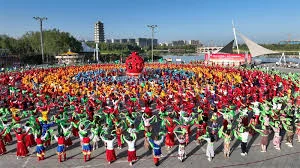
Medical study leaves less free time than many courses, but students still find room for sport, festivals and trips. The university runs sports and cultural activities, and international students take part in events and celebrations during the year.
Many students walk, play football or cricket, or join a gym. Others spend weekends in the bazaars, visit parks or take a day trip into the mountains when the weather allows. Because the city sits under the Tianshan range, nature is closer than in many big cities.
Festivals matter too. Muslim students celebrate Eid, and students from every country find friends who celebrate with them. Ask your seniors how the community marks the occasions that matter to you.
Pack for your first month, not for six years. You can buy most things in Urumqi, often cheaper than at home, and seniors will show you where.
Do not bring large quantities of food, restricted medicine or anything you are not sure is allowed. Check airline and customs rules before you pack, and ask admissions if you are unsure about an item.
The first month decides how comfortable the rest of the year feels. A simple plan keeps you on track.
You are met at the airport, taken to the hostel and shown the campus. Sleep, eat, meet your roommates and message your family. Do not try to do everything in one day.
Complete registration and the medical checks, and apply for your residence permit. Buy a local SIM and set up your phone. Keep copies of every document.
Find your study spot, learn your timetable and your bus route, and begin your first Chinese lessons. Visit the bazaar with seniors and learn where to buy halal food and winter clothing.
Check in with your family and with yourself. Homesickness is normal and usually passes. Talk to a senior or a teacher if you are struggling, and join a student group so that you are not alone on weekends.
| Step | Fall intake (September) | Spring intake (February/March) |
|---|---|---|
| Applications open | 1 March | 1 September |
| Early deadline (recommended for scholarships) | 30 June | 15 December |
| Regular deadline | 15 August | 15 January |
| Registration and orientation | 10 September | 20 February |
Parents usually ask about three things: whether their child will be safe, whether they will eat properly, and whether they will be lonely. We cannot publish safety statistics, and we would not trust any site that claimed to. What we can say is that international students live together in the hostel, are looked after by the university's international office, and can talk to seniors who have been through the same first months.
The best advice we can give parents is to stay in touch, to ask for a video call in the first week, and to ask your child to introduce you to a senior student. Parents who talk to current students usually feel much calmer than parents who only read websites.
Read the guide for Pakistani students and parentsIf life in Urumqi sounds right for you, check that you meet the requirements and prepare your documents. The two intakes are September and February/March, and the early deadline is recommended if you want to be considered for a scholarship.
The complete guide to studying MBBS in China in 2027: who can apply, which universities are MOE listed, what an English taught MBBS costs, and how to prepare an application to Xinjiang Medical University (XJMU).
Everything a Pakistani student and family need to decide on an MOE listed MBBS in China: eligibility after FSc, fees, intakes, travel from Islamabad, recognition at home and how to apply to Xinjiang Medical University.
The spring intake lets you start an MOE listed MBBS in February or March 2027 instead of waiting for September. Here are the deadlines, requirements, documents, fees, visa steps and a plan to make the dates.
Talk to our admissions counsellors for free guidance, or start your application online.