The spring intake lets you start an MOE listed MBBS in February or March 2027 instead of waiting for September. Here are the deadlines, requirements, documents, fees, visa steps and a plan to make the dates.
Most students think of MBBS in China as a September start, because that is when the Chinese academic year begins. Xinjiang Medical University (XJMU) also runs a spring intake. Students admitted in spring begin the six-year English taught MBBS in February or March instead of waiting for the fall.
That matters if your results arrive in the winter, if you missed the fall deadline, or if you do not want to lose six months. It also matters for planning: the spring deadlines fall in the middle of winter, so the documents you need must be ready earlier than most families expect.
XJMU is on the Ministry of Education (MOE) list of universities allowed to enrol international students in the English taught MBBS, with 60 seats for the 2026–2027 academic year. The spring intake is part of the same approved programme; it is a second start date, not a different degree.

| Question | Answer |
|---|---|
| Programme | MBBS, taught in English, 6 years including a 1-year internship |
| Approved by | China's Ministry of Education (MOE list, 2026–2027) |
| Spring intake starts | February or March 2027 |
| Applications opened | 1 September 2026 |
| Early deadline | 15 December 2026 (recommended for scholarships) |
| Regular deadline | 15 January 2027 |
| Registration and orientation | About 20 February 2027 |
| Minimum marks | 60% in each of the science subjects |
| Age | 18 to 35 |
| First-year package (Sept. 2026 intake) | ¥49,950, about USD 7,000 |
The university publishes the same admissions calendar each year. The table below shows the spring column next to the fall column, so you can compare them. Dates may vary by programme, so confirm them with the admissions office when you apply.
The early deadline of 15 December. Apply by then if you also want to be considered for a scholarship, and treat it as your real deadline even though the regular deadline is a month later. Seats follow the MOE quota, so a late application has less room than an early one.
After you apply, the university needs two to four weeks to review the file and issue the admission letter and JW202 form. You then need time to apply for the student visa and to book a flight. Applying on 15 January leaves very little margin before registration around 20 February.
| Step | Fall intake (September) | Spring intake (February/March) |
|---|---|---|
| Applications open | 1 March | 1 September |
| Early deadline (recommended for scholarships) | 30 June | 15 December |
| Regular deadline | 15 August | 15 January |
| Registration and orientation | 10 September | 20 February |
The spring intake is not better or worse than the fall one. It suits some situations more than others.
If your documents are incomplete, your police certificate has not been issued, or you cannot arrive by 20 February, a September start is safer than a rushed spring application. A calm application to the fall intake is better than a poor one to the spring. The fall calendar opens on 1 March, with an early deadline of 30 June and a regular deadline of 15 August.
Because the Chinese academic year starts in September, ask the admissions team how the first semester is arranged for students who join in spring, and which courses you take first. Get the answer in writing before you pay the seat reservation deposit.
The requirements are the same for spring and fall. They are the published requirements for the MBBS at Xinjiang Medical University.

The programme is taught in English, so you must show that you can study in it. That can be an English test result such as IELTS or TOEFL, or proof that your previous education was taught in English. Some exemptions may apply for students from English-speaking countries. If your school taught in English, ask it for a letter confirming the medium of instruction now, because letters can take days to arrive.
You need at least 60% in each of the science subjects. If your final result has not been issued, ask the admissions team how to apply with the marks you have and provide the final certificate when it arrives.
Some countries set extra conditions for students who study medicine abroad. Read your own medical council's current rules before you apply, not after.
In a short spring window, documents decide whether you make the deadline. Start with the ones that depend on other people.
The police non-criminal record certificate, the Chinese physical examination form with the blood report, and your senior high-school transcripts and certificates all depend on offices and doctors with their own schedules. Request them first, and do the passport photograph and the self-introduction video last.
Have your documents notarised as the admissions team instructs. Scan every page clearly. A blurred copy is the most common reason a file is sent back, and a sent-back file can cost you the deadline.
A short video in which you say that you have chosen XJMU and will study there if accepted. Record it in a quiet room, speak clearly and keep it simple.
The application is made online, and its status is visible in the student portal.
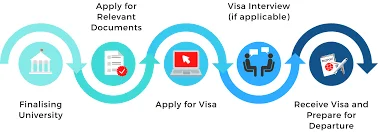
This plan is built backwards from registration around 20 February 2027. The earlier you start, the more room you have if something goes wrong.
It can still work, but only if everything is complete on the day. Ask the admissions team how quickly your file can be reviewed, and have your visa documents and flight plan ready before the admission letter arrives.
| When | What to do |
|---|---|
| Now | Check eligibility. Request transcripts, the police certificate and the school letter on English instruction. Book the physical examination and blood test. |
| Within two weeks | Notarise documents, record the self-introduction video and scan everything. |
| By 15 December | Early deadline. Submit the online application with all documents. Pay the ¥1,000 application fee. |
| Two to four weeks after review | Pre-Admission Letter, then the ¥2,000 seat reservation deposit. Admission letter and JW202 form follow. |
| By 15 January | Regular deadline. Do not plan to use it. |
| Late January to early February | Apply for the X1 student visa and book your flight. |
| About 20 February | Registration and orientation. Airport pickup is included in the first-year package. |
Fees for 2027 have not been announced. These are the published figures for the September 2026 intake, and they are the best guide to what to expect. Ask the admissions team for the written fee schedule that applies to the spring intake before you pay the deposit.
After the first year, fees are charged item by item. The total is about ¥35,950 a year, about USD 5,050.
Budget about USD 150–250 a month for food, USD 10–20 for local transport and USD 10–15 for a mobile SIM.
The application fee is ¥1,000, and the seat reservation deposit is ¥2,000, paid after the Pre-Admission Letter.
| What the first-year package covers | Status |
|---|---|
| Application processing, registration and admission charges | Included |
| Tuition fee | Included |
| Hostel accommodation | Included |
| Student visa, health insurance and medical | Included |
| JW202 visa letter and airport pickup | Included |
| Total: ¥49,950 (about USD 7,000) |
Together with the first-year package, five later years of about ¥35,950 each make about ¥229,700, roughly USD 32,000, for tuition, hostel, insurance, residence permit and examinations at 2026 figures, before food, flights and personal spending.
| Item | Amount (RMB ¥) |
|---|---|
| Tuition fee | ¥30,000 |
| Accommodation | ¥4,500 |
| Insurance | ¥300 |
| Residence permit | ¥800 |
| Physical examination | ¥350 |
| Total per year: ¥35,950 (about USD 5,050) |
Once you hold the admission letter and the JW202 form, you apply for the X1 student visa, the visa for study longer than six months. After arrival, it is converted into a residence permit with the help of the international student office. The first-year package includes the student visa, the JW202 visa letter and airport pickup.
February in Urumqi is cold. Plan for winter clothing from the day you arrive, keep your original documents in hand luggage, and carry copies of your passport and admission letter. For students from Pakistan, a direct flight from Islamabad takes about 2 hours 50 minutes.
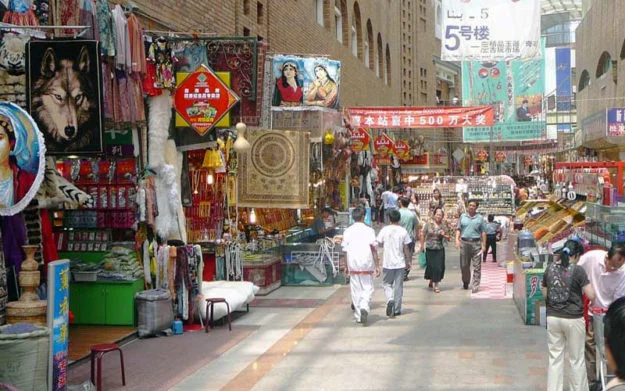
Do not buy a ticket before you hold the admission letter and visa. Once you have them, book promptly, because winter travel can be busy.
Passport with the X1 visa, admission letter, JW202 copy, physical examination records, passport photographs and some cash for the first days. The airport pickup takes you to the university for registration.
Starting in spring means you arrive in winter and meet your first months of study, and of life in a new city, together. That is manageable, and it is easier if you prepare for it.
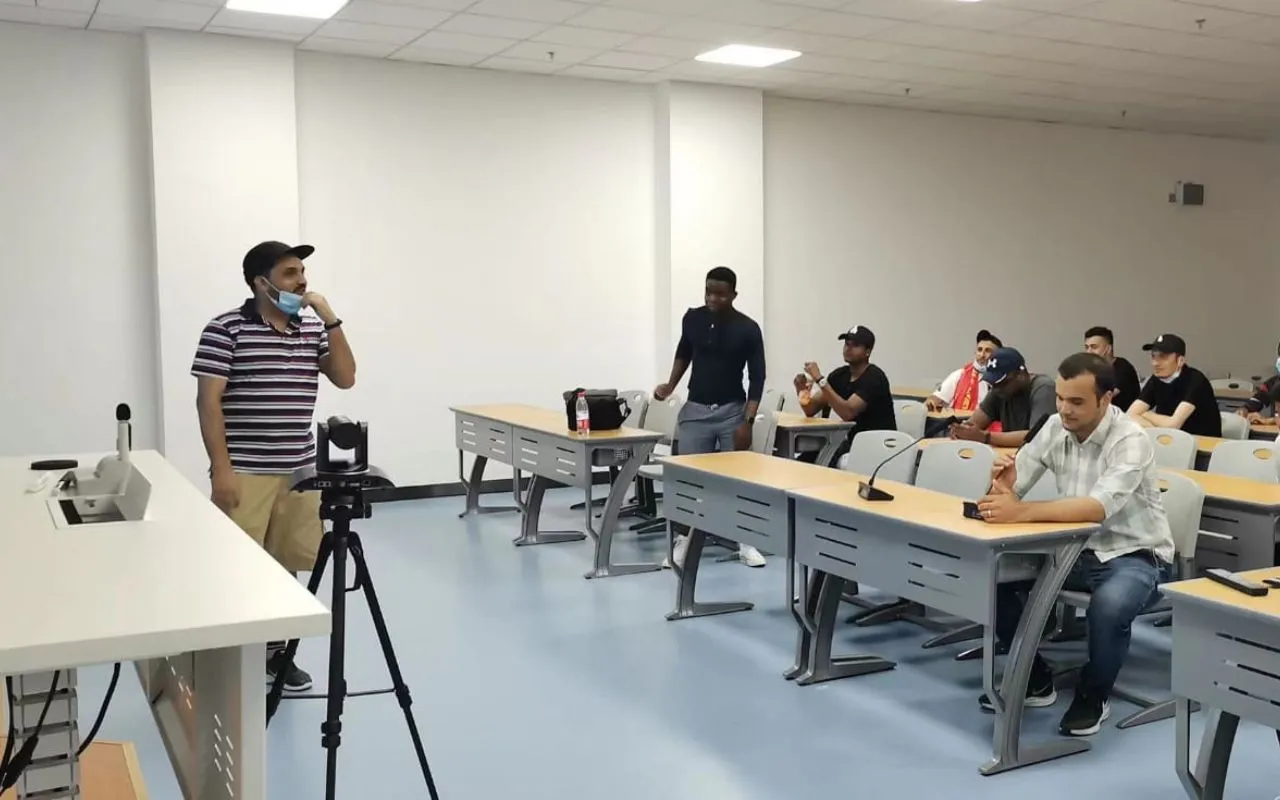
The spring intake leads to the same MBBS. The six years run from basic medical sciences to pre-clinical sciences, clinical medicine and a year of internship.

Anatomy, physiology, biochemistry, histology and the foundational sciences, taught in English, with introductory Chinese alongside.
Pathology, pharmacology, microbiology, immunology and forensic medicine.
Internal medicine, surgery, paediatrics, obstetrics and gynaecology and specialty rotations, with bedside teaching in the affiliated hospitals.
A year of supervised rotations through the major departments across the university's 8 directly affiliated hospitals and its internship hospitals.
See the full MBBS programmeEligible students can apply for the Chinese Government Scholarship, which covers tuition, accommodation and insurance, and for the Xinjiang Government Scholarship for students from neighbouring countries. The stipends below are the published amounts.
Places are limited, and applying by the early deadline of 15 December is what puts you in consideration. Do not build your budget on a scholarship that you have not been awarded.
| Scholarship | Undergraduate | Master's | Doctoral |
|---|---|---|---|
| Chinese Government Scholarship (tuition, accommodation and insurance free) | 30,000 | 36,000 | 42,000 |
| Xinjiang Government Scholarship for students from neighbouring countries | 10,000 | 12,200 | 15,000 |
Most spring applications that fail do so because of timing, not eligibility.
Both intakes lead to the same degree. What differs is the calendar, and with it the pressure on your preparation. Use the table to see which one fits the date on which your documents will be ready.
The fall intake. Its applications open in March and its early deadline is at the end of June, so you have several months to collect documents. The spring window is shorter, which is why this guide stresses starting now.
The spring intake, if you are ready. Starting in February or March means you do not wait for September. If you are not ready, a well-prepared fall application is better than a rushed spring one.
| Spring intake | Fall intake | |
|---|---|---|
| Programme | English taught MBBS, 6 years | English taught MBBS, 6 years |
| Starts | February or March | September |
| Applications open | 1 September | 1 March |
| Early deadline | 15 December | 30 June |
| Regular deadline | 15 January | 15 August |
| Registration and orientation | About 20 February | About 10 September |
| Best for | Winter results, an early start, or a missed fall deadline | More preparation time, a calmer application |
Parents usually carry the paperwork and the worry. These are the questions they raise most often about a start in the middle of the academic year.
No. The programme is the same English taught MBBS on the MOE list. The difference is the start date. Ask the admissions team in writing how the first semester is arranged, so that you know what to expect.
If you start immediately, yes. The slowest documents are the police certificate, the medical examination and the school transcripts. Request all three this week.
The application fee of ¥1,000 is paid when you apply. The seat reservation deposit of ¥2,000 is paid after the Pre-Admission Letter. The first-year package follows the written fee schedule the university gives you.
Apply for the X1 visa as soon as the admission letter and JW202 form arrive, and keep the admissions team informed. This is another reason to apply by the early deadline and not the regular one.
Airport pickup is included in the first-year package, and the international student office helps with registration, the health check and the residence permit.
A small set of terms appears in every application. Knowing them saves time when you fill in forms or talk to the admissions team.
| Term | What it means |
|---|---|
| Early deadline | The recommended deadline, 15 December for spring, which also puts you in consideration for scholarships |
| Regular deadline | The final deadline, 15 January for spring |
| Pre-Admission Letter | The letter that confirms your file has passed the first review, after which the ¥2,000 deposit is paid |
| JW202 | The visa application form for study in China, issued with your admission letter |
| X1 visa | The student visa for study longer than six months |
| Residence permit | The permit that lets you live in China during your studies, renewed each year |
| MOE list | The yearly list of universities authorised to teach the English taught MBBS to international students |
Spring offers are sometimes used to attract students quickly. Whatever the start date, the university must be on the MOE list. The notice of 1 June 2026 approves 43 universities and 2,790 seats for 2026–2027, and XJMU is number 8, with 60 seats.
The notice also says that universities outside the list may admit international students only to Chinese-medium clinical medicine and may not issue an English-language MBBS certificate. If an offer cannot be matched to the list, ask for the evidence before you pay.
Source: Ministry of Education of the People's Republic of China, notice 教外司来〔2026〕94号, issued 1 June 2026.
Check all 43 MOE listed universitiesThe complete guide to studying MBBS in China in 2027: who can apply, which universities are MOE listed, what an English taught MBBS costs, and how to prepare an application to Xinjiang Medical University (XJMU).
Everything a Pakistani student and family need to decide on an MOE listed MBBS in China: eligibility after FSc, fees, intakes, travel from Islamabad, recognition at home and how to apply to Xinjiang Medical University.
The 43 universities that China's Ministry of Education has approved to teach MBBS in English to international students, with seat quotas, the rules behind the list and how to check any university yourself.
Talk to our admissions counsellors for free guidance, or start your application online.